
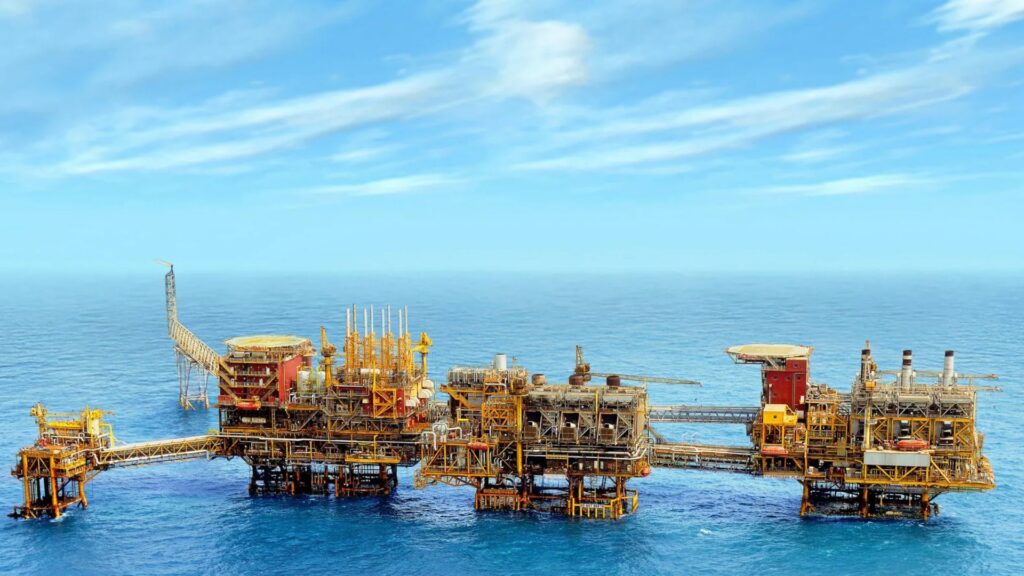
You don’t see the gates, intake wells, pipelines and submerged supports that keep power stations, steel plants, ports and water works running. But when something underwater fails, it’s not just an engineering headache; it’s a business crisis that can cost crores and shut operations for days. It’s measurable, recurring, and growing as India scales.
The scale of what’s underwater in India: quick facts
India’s electricity system grew rapidly in the last decade. Installed generation capacity across all sources increased substantially according to official reports. Many large plants thermal, hydro and nuclear depend on underwater intakes, gates and penstocks.
India’s major ports handled roughly 853 to 855 million tons of cargo in FY 2024 to 2025. Every ton moved through quay structures, intake channels and underwater berths that require inspection and maintenance.
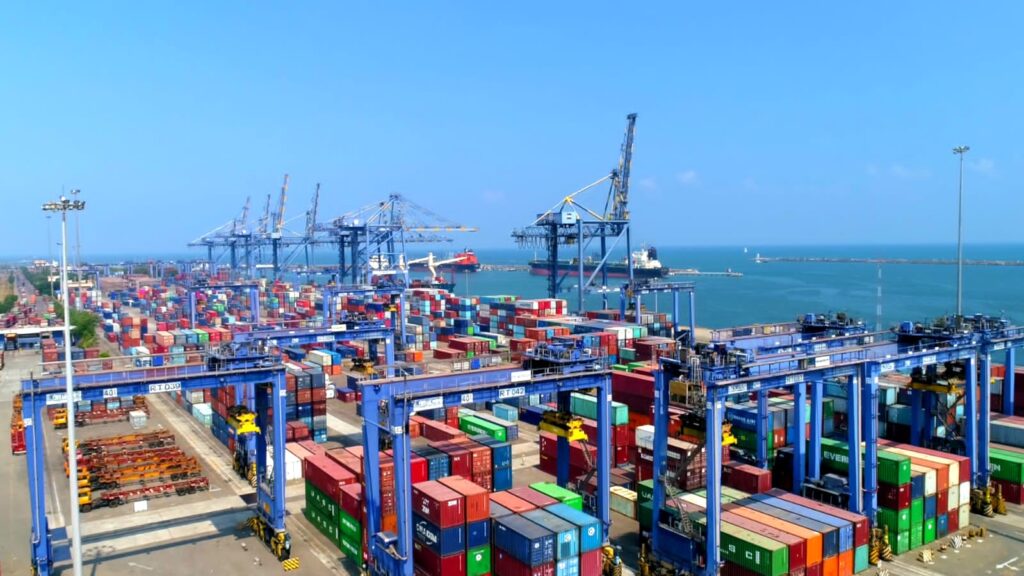
India’s crude steel capacity crossed roughly 179 to 200 million tons between 2023 and 2025. Large steel plants use submerged cooling systems, effluent channels and underwater valves that must be inspected and maintained.
These numbers show that huge value and production flow across systems with critical underwater components. When those components fail, the effects ripple loudly.
The business cost: downtime is extremely expensive
A cross-industry survey found that unplanned downtime costs the typical Indian business roughly 7 million rupees per hour. Eighty eight percent of Indian industrial businesses experience unplanned outages at least once a month. This is not hypothetical; it is an economic reality for plants and ports.
There are documented cases where underwater problems resulted in enormous losses. Damage to a head race tunnel and related underwater infrastructure at a hydropower project once caused a prolonged shutdown and an anticipated financial loss of 84.41 crore rupees for the operator. This is a single project, single event figure.
When things below the waterline fail, the clock becomes very expensive, and companies usually don’t see the problem until the bill arrives.
Why these failures happen: the structural problem
- Invisible degradation. Corrosion, siltation and mechanical wear happen underwater and are rarely obvious from surface checks.
- Aging assets. Many intake structures, gates and underwater pipelines are decades old and face load they were not originally designed for.
- Poor monitoring. Routine inspections are still largely reactive, meaning small faults underwater grow into high-cost shutdowns.
The practical solutions: how we prevent crores of losses
There are practical, field proven measures that turn the problem into controllable risk.
- Targeted underwater inspection using video, divers and ROVs. High resolution video and ROV surveys find the exact fault such as silt, cracks or misalignment before it becomes a production issue. When captured on video, the problem is obvious to plant engineers and decision makers.
- Data driven maintenance planning. Shift from run to fail to condition based maintenance. Use periodic surveys and simple metrics such as sediment buildup rates or corrosion progression to prioritize intervention.
- Rapid intervention teams. Trained industrial divers and modular underwater repair kits can fix many failures in hours or days instead of weeks.
- Post work verification. Record and archive all underwater work using video and test results so future teams can compare and plan more effectively.
These steps are not theoretical. They are how operators reduce unplanned downtime and the associated millions of rupees per hour in losses.
Short case note: real world illustration
In July 2023, several hydropower projects in Himachal Pradesh and Uttarakhand had to be shut down because heavy monsoon rains caused extreme silt levels in the rivers. Turbines could not operate under such conditions without risk of damage.
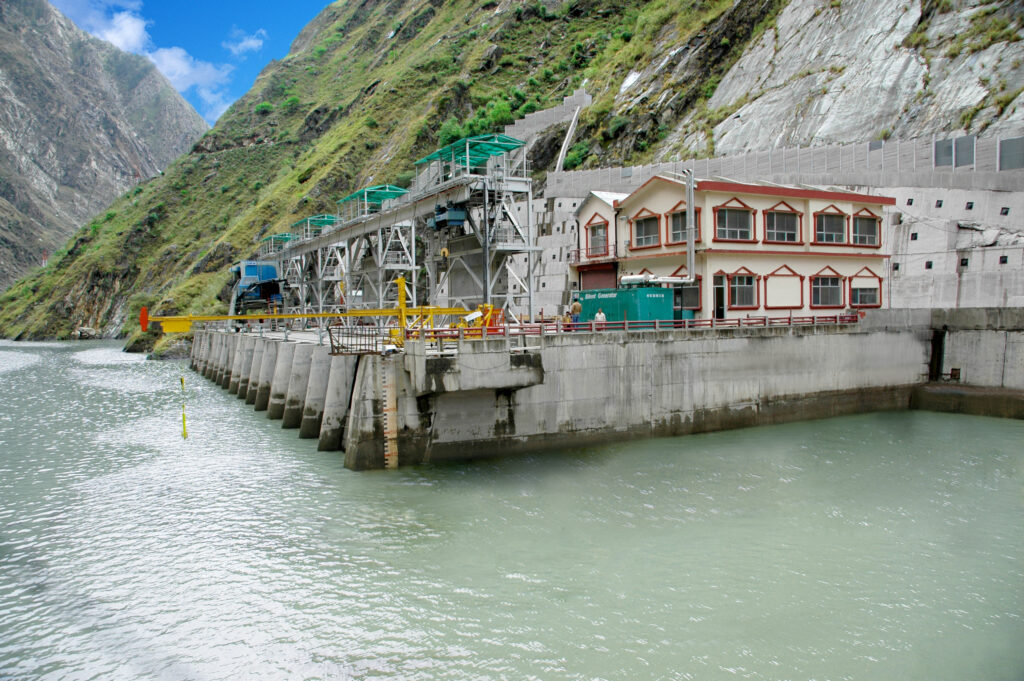
According to reporting by Fortune India, the temporary shutdowns resulted in combined revenue losses of approximately ₹164 crore across affected stations during that period. This is a clear example of how underwater conditions, especially siltation, can directly disrupt power generation and create major financial impact when not monitored proactively.
What Abeedive does
Let’s make the invisible visible. We run targeted underwater inspections using divers, ROVs and high-resolution video focused on the exact assets that matter to plant operations such as gates, intakes, valves, penstocks, quay structures and berth supports.
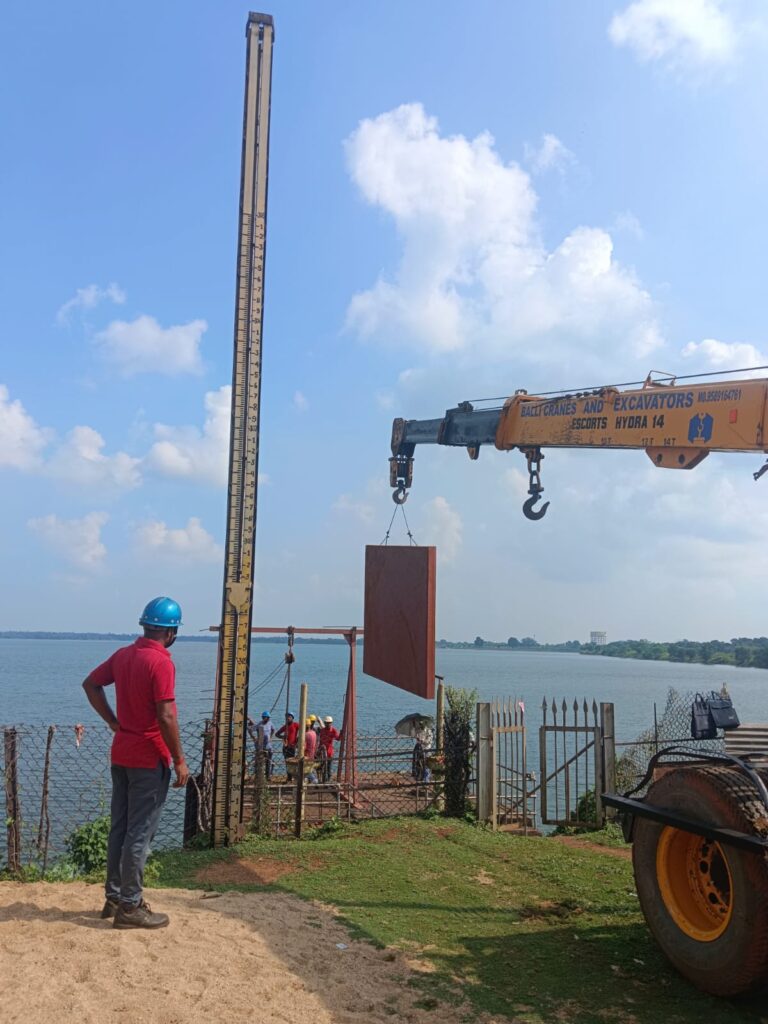
The result is smaller, planned interventions that prevent expensive, unplanned shutdowns. In a landscape where unplanned outages can cost millions of rupees an hour, the math for targeted inspection and rapid repair is straightforward.
Underwater engineering is not a feel good niche. It is a measurable backbone of India’s infrastructure. We move millions of tonnes of cargo, generate gigawatts of electricity and run manufacturing at scale, all dependent on assets that sit below the surface. The cost of ignoring them is large and documented. The solutions exist and they pay for themselves quickly.
If this feels like a problem that has been sitting quietly on your balance sheet, we can help you turn hidden risk into a predictable line item. Abeedive can show you what’s below the surface before the alarms go off.