Author name: Somin

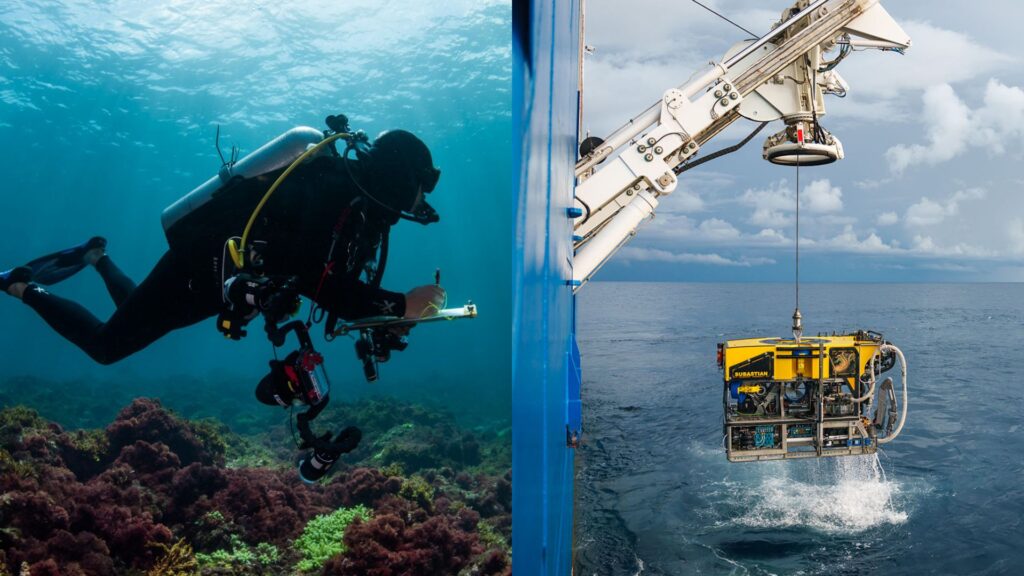
Diver (R) and ROV (L)
Blog

Diver vs ROV in the AI Era: Why Underwater Surveys Still Need Human Eyes and Hands

Diver vs ROV in the Age of AI: Why Underwater Surveys Still Need Human Judgment Artificial intelligence has quietly reshaped almost every technical industry over the last decade. Design offices now use AI-driven simulations, factories rely on machine vision, and asset owners depend on predictive models to reduce downtime. Underwater engineering has followed the same path. ROV surveys, high-definition underwater videography, and AI-assisted inspection software are now common tools in marine and offshore projects. In India, with expanding ports, coastal infrastructure, and offshore development, the push toward automation is accelerating. But underwater work does not happen in controlled environments, and the conditions beneath Indian waters expose the limits of automation very quickly. The Rise of ROV Surveys and AI in Underwater Inspection ROVs have become an essential part of modern underwater survey work. Globally, their use has grown steadily across offshore energy, ports, pipelines, and subsea infrastructure. According to MarketsandMarkets, the global ROV market is projected to reach approximately USD 1.8 billion by the early 2030s, driven largely by inspection and maintenance demand. ROV surveys offer clear advantages. They allow rapid coverage of large areas, reduce diver exposure in hazardous zones, and provide consistent underwater videography that can be archived and reviewed repeatedly. When combined with AI, these systems can scan hours of footage and automatically flag corrosion patterns, marine growth, or structural irregularities. This has significantly reduced processing time and improved baseline documentation, especially during preliminary inspections and routine monitoring. Where AI and ROVs Begin to Struggle Despite these advances, AI-assisted underwater surveys are still limited by the quality and context of the data they receive. AI systems recognize patterns based on training data, and most available datasets are built around relatively clear offshore waters or standardized subsea assets. Indian conditions are rarely so cooperative. High turbidity, siltation, heavy biofouling, debris, and inconsistent construction practices introduce visual noise that reduces detection accuracy. DNV has highlighted this challenge in multiple subsea integrity studies, noting that automated inspection systems show a higher rate of false positives and missed defects in low-visibility environments, often requiring diver verification before engineering decisions can be made. In ports, rivers, and nearshore zones, underwater videography alone is often insufficient. When cameras lose clarity due to silt or marine growth obscures critical joints, AI output becomes suggestive rather than conclusive. This is a critical distinction when inspection findings directly influence repair planning or load reassessment. Why Commercial Divers Still Matter This is where diving services continue to play a central role. A commercial diver does not rely only on visual confirmation. He feels material loss, checks welds by touch, senses movement in members that should be rigid, and understands how currents and seabed interaction affect a structure over time. These tactile and situational inputs cannot be captured by sensors alone. The International Marine Contractors Association continues to recognize diver-led inspection as essential for close visual inspection, confirmation of defects, and support for non-destructive testing, particularly in complex or restricted environments. Divers also bring adaptability. If visibility drops, surfaces can be cleaned. If access is restricted, inspection methods can change immediately. In Indian waters, where conditions can shift within minutes, this flexibility often determines whether an inspection is completed accurately or needs to be repeated. Artificial Intelligence has already taken over significant parts of planning, monitoring, and analysis across industries, and underwater engineering will continue to benefit from it. Automated change detection, long-term condition tracking, and predictive corrosion modeling are valuable tools. DNV’s work on digital assurance shows how AI improves consistency and trend analysis when applied correctly. However, AI systems still depend on reliable ground truth. Without diver-verified inputs, automated assessments risk becoming assumptions layered on assumptions. This matters because accountability does not sit with software. Engineers and asset owners remain responsible for decisions based on inspection reports. In India, where many marine structures are decades old and documentation is incomplete, professional judgment carries significant weight. An Integrated Future, Not a Replacement The future of underwater survey is not diver versus ROV. It is integration. ROV surveys are ideal for reconnaissance, hazardous zones, repetitive monitoring, and large-area coverage. AI accelerates data processing and highlights areas of concern. Divers validate, interpret, and execute. Together, they turn underwater videography into reliable engineering information rather than raw footage. For India’s growing marine infrastructure, this balanced approach is not optional. It is practical. Technology can extend reach and efficiency underwater, but judgment remains essential. And for now, that judgment still belongs to the diver.
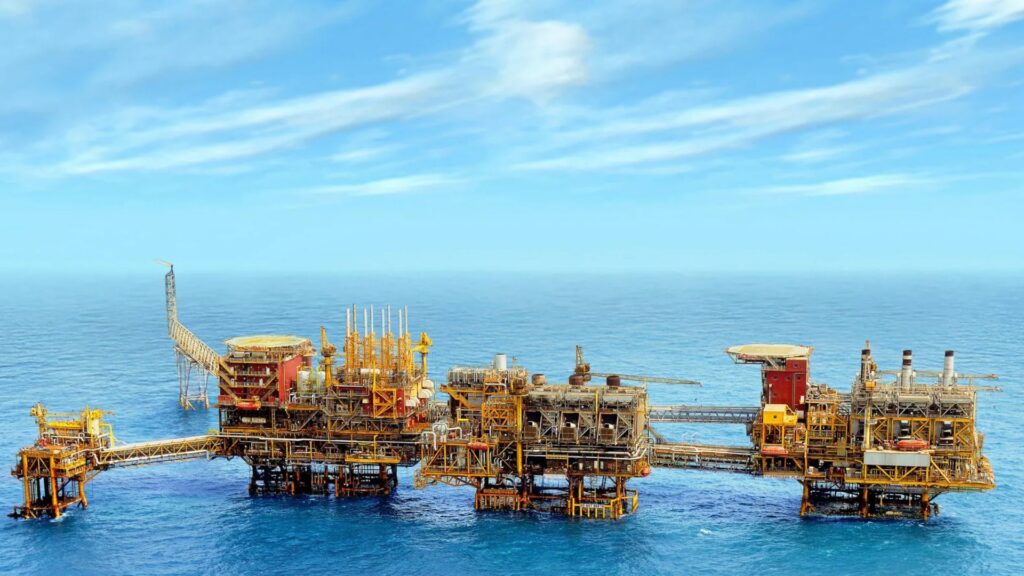
ONGC Offshore Platform in the West Coast of India
Blog

Underwater Engineering Is India’s Quiet Backbone

ONGC Offshore Platform in the West Coast of India | Credits- ONGC Underwater Engineering Is India’s Quiet Backbone You don’t see the gates, intake wells, pipelines and submerged supports that keep power stations, steel plants, ports and water works running. But when something underwater fails, it’s not just an engineering headache; it’s a business crisis that can cost crores and shut operations for days. It’s measurable, recurring, and growing as India scales. The scale of what’s underwater in India: quick facts India’s electricity system grew rapidly in the last decade. Installed generation capacity across all sources increased substantially according to official reports. Many large plants thermal, hydro and nuclear depend on underwater intakes, gates and penstocks. India’s major ports handled roughly 853 to 855 million tons of cargo in FY 2024 to 2025. Every ton moved through quay structures, intake channels and underwater berths that require inspection and maintenance. India’s crude steel capacity crossed roughly 179 to 200 million tons between 2023 and 2025. Large steel plants use submerged cooling systems, effluent channels and underwater valves that must be inspected and maintained. These numbers show that huge value and production flow across systems with critical underwater components. When those components fail, the effects ripple loudly. The business cost: downtime is extremely expensive A cross-industry survey found that unplanned downtime costs the typical Indian business roughly 7 million rupees per hour. Eighty eight percent of Indian industrial businesses experience unplanned outages at least once a month. This is not hypothetical; it is an economic reality for plants and ports. There are documented cases where underwater problems resulted in enormous losses. Damage to a head race tunnel and related underwater infrastructure at a hydropower project once caused a prolonged shutdown and an anticipated financial loss of 84.41 crore rupees for the operator. This is a single project, single event figure. When things below the waterline fail, the clock becomes very expensive, and companies usually don’t see the problem until the bill arrives. Why these failures happen: the structural problem Invisible degradation. Corrosion, siltation and mechanical wear happen underwater and are rarely obvious from surface checks. Aging assets. Many intake structures, gates and underwater pipelines are decades old and face load they were not originally designed for. Poor monitoring. Routine inspections are still largely reactive, meaning small faults underwater grow into high-cost shutdowns. The practical solutions: how we prevent crores of losses There are practical, field proven measures that turn the problem into controllable risk. Targeted underwater inspection using video, divers and ROVs. High resolution video and ROV surveys find the exact fault such as silt, cracks or misalignment before it becomes a production issue. When captured on video, the problem is obvious to plant engineers and decision makers. Data driven maintenance planning. Shift from run to fail to condition based maintenance. Use periodic surveys and simple metrics such as sediment buildup rates or corrosion progression to prioritize intervention. Rapid intervention teams. Trained industrial divers and modular underwater repair kits can fix many failures in hours or days instead of weeks. Post work verification. Record and archive all underwater work using video and test results so future teams can compare and plan more effectively. These steps are not theoretical. They are how operators reduce unplanned downtime and the associated millions of rupees per hour in losses. Short case note: real world illustration In July 2023, several hydropower projects in Himachal Pradesh and Uttarakhand had to be shut down because heavy monsoon rains caused extreme silt levels in the rivers. Turbines could not operate under such conditions without risk of damage. According to reporting by Fortune India, the temporary shutdowns resulted in combined revenue losses of approximately ₹164 crore across affected stations during that period. This is a clear example of how underwater conditions, especially siltation, can directly disrupt power generation and create major financial impact when not monitored proactively. What Abeedive does Let’s make the invisible visible. We run targeted underwater inspections using divers, ROVs and high-resolution video focused on the exact assets that matter to plant operations such as gates, intakes, valves, penstocks, quay structures and berth supports. The result is smaller, planned interventions that prevent expensive, unplanned shutdowns. In a landscape where unplanned outages can cost millions of rupees an hour, the math for targeted inspection and rapid repair is straightforward. Underwater engineering is not a feel good niche. It is a measurable backbone of India’s infrastructure. We move millions of tonnes of cargo, generate gigawatts of electricity and run manufacturing at scale, all dependent on assets that sit below the surface. The cost of ignoring them is large and documented. The solutions exist and they pay for themselves quickly. If this feels like a problem that has been sitting quietly on your balance sheet, we can help you turn hidden risk into a predictable line item. Abeedive can show you what’s below the surface before the alarms go off.

Scuba Diving
Blog

Scuba Diving Near Me: A Complete Beginner’s Guide to Diving Safely

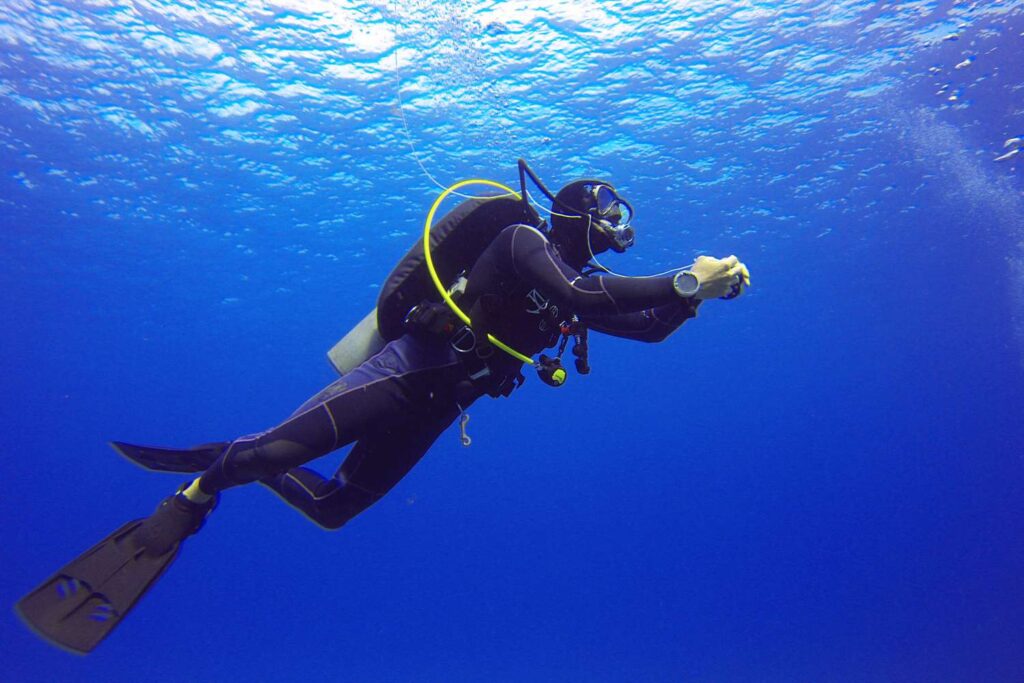
Scuba Diving Near Me: A Complete Beginner’s Guide to Diving Safely There’s something magical about slipping beneath the waves and discovering a whole new world underwater. For many young professionals who love to travel, scuba diving is right at the top of their adventure bucket list. Yet, when it comes time to actually book that first dive, hesitation creeps in. Questions like “Is it safe?”, “How much does it cost?”, and “Where do I even start?” hold people back from taking the plunge. You’re not alone if you’ve Googled “scuba diving near me” only to close the tab because it all felt too complicated. At Abee Divecorp, we get it. Diving looks exciting, but it also feels like something that needs expert knowledge. That’s exactly why we’ve put together this guide—to make scuba diving simple, approachable, and genuinely fun to learn about. By the end, you’ll know exactly how to start your underwater journey safely and confidently—whether it’s for your next trip or your weekend plans. Understanding Scuba Diving: It’s Easier Than You Think   Scuba diving isn’t just for professional adventurers or people with years of training. It’s a structured, step-by-step experience that anyone can learn with the right guidance. Here’s the best part: you don’t need to buy expensive gear or travel to an exotic island to get started. Many local dive centers offer introductory dives or open water certification courses that take you from total beginner to certified diver in just a few sessions. The Basics You’ll Learn as a Beginner:  Breathing underwater safely: You’ll learn how to use the equipment and breathe comfortably through your regulator. Equalizing pressure: Simple techniques that keep your ears comfortable as you descend. Communication underwater: Hand signals that let you “talk” to your dive partner. Safety protocols: How to check your gear, monitor your air, and stay close to your dive buddy. Scuba diving feels complicated from the outside, but once you’re in the water, it’s surprisingly peaceful. The training is designed to make you feel safe and confident every step of the way. Is Scuba Diving Safe for Beginners?   This is probably the biggest question beginners ask—and the short answer is yes, it’s very safe when done properly. Certified instructors follow strict international safety standards. Every dive begins with a briefing where you learn exactly what to expect. You’re always supervised during beginner dives, and no one is pushed beyond their comfort zone. Here’s how safety is ensured during every dive: Professional guidance: Your instructor stays by your side the entire time. Pre-dive checks: Equipment and conditions are tested before entering the water. Buddy system: You’re never alone underwater. Emergency preparedness: Instructors are trained to handle every situation calmly and effectively. So if safety has been your biggest concern, remember—scuba diving is built on safety protocols. It’s not about being a daredevil; it’s about learning to explore responsibly. How Much Does Scuba Diving Cost?   Costs vary depending on your location and the type of dive experience you choose. Here’s a quick breakdown to help you plan: Introductory Dive: ₹4,000–₹8,000 for a one-day experience. Perfect if you’re just testing the waters. Open Water Certification: ₹25,000–₹40,000 for a full beginner course that certifies you to dive up to 18 meters anywhere in the world. Gear Rental: Usually included in beginner packages. If not, it’s around ₹1,000–₹2,000 per day. The best part? Once you’re certified, you can dive almost anywhere. From weekend trips near the coast to exotic coral reefs abroad, your options open up dramatically. If you’re searching “scuba diving near me”, you’ll likely find local dive centers offering both discovery dives and certification programs. Start small, then grow your confidence with experience. How to Choose the Right Dive Center Near You   Picking the right dive school makes a huge difference in your comfort and learning experience. Here’s what to look for when selecting a dive center: Certified Instructors: Ensure the center is affiliated with recognized organizations like PADI or SSI. Small Group Sizes: Fewer students per instructor mean more personal attention. Clear Safety Protocols: Ask how they handle equipment checks, weather conditions, and emergencies. Transparent Pricing: Reliable centers list all costs upfront, with no hidden fees. Good Reviews: Check online reviews or social media to see how others describe their experience. At Abee Divecorp, we always tell beginners to treat their first dive center like a trusted guide—not just a service provider. The right team will make you feel supported from your first breath underwater to your certification day. Preparing for Your First Scuba Dive   Once you’ve chosen a dive center, preparation is easy. Here’s how to make your first dive enjoyable: 1. Rest well the night before. A clear head helps you focus and enjoy the experience. 2. Eat light. Avoid heavy meals right before your dive, but don’t dive on an empty stomach either. 3. Listen carefully during the briefing. It’s the best time to ask questions—your instructor is there to make you comfortable. 4. Stay calm and breathe slowly. The golden rule: never hold your breath underwater. Slow, steady breathing keeps you relaxed. 5. Focus on the experience, not perfection. It’s okay to be nervous at first. Everyone was a beginner once, and your instructor will guide you through every step. Why Scuba Diving Is Worth Trying Scuba diving gives you access to a part of the world most people never see. Imagine floating beside colorful fish, coral gardens, or ancient shipwrecks—it’s like entering another planet. But beyond the visuals, diving also teaches patience, confidence, and mindfulness. It slows you down in a fast-paced world and reminds you how vast and alive our oceans are. For many travelers, their first dive becomes the highlight of their trip—and often sparks a lifelong passion for the sea. Start Your Diving Journey Today   If you’ve been waiting for the right moment to try scuba diving, this is it. You don’t need to fly across the world or invest heavily to start. Search “scuba diving near

Scroll to Top