
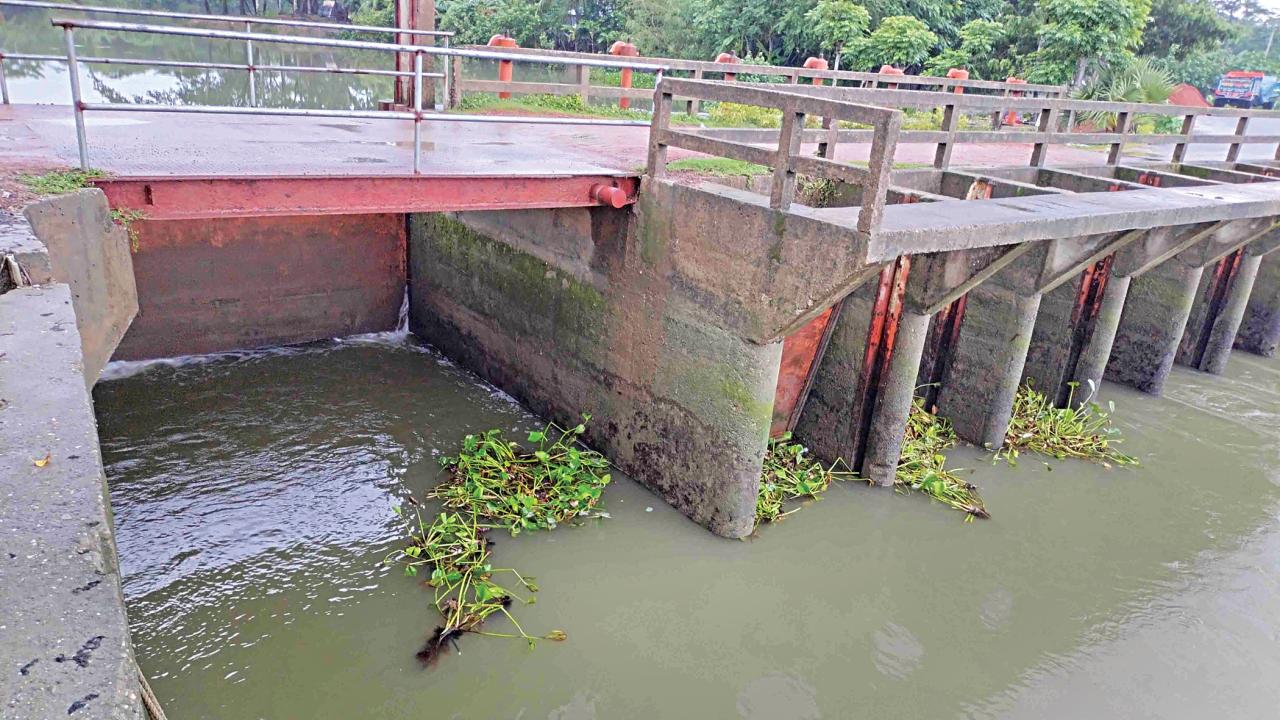
When a sluice gate develops a fault, the first instinct is often to schedule a shutdown, isolate the structure, and dewater the affected area before repairs begin. For decades, this has been the accepted engineering approach because it provides a dry working environment and unrestricted access for inspection, maintenance, and rehabilitation. In many situations, it remains the right solution.
However, industrial infrastructure does not always allow that luxury. Steel plants, power stations, water treatment facilities, ports, and irrigation systems frequently operate around the clock, where taking an intake or water control system out of service can affect production schedules, maintenance planning, and operating costs. Engineers are therefore increasingly evaluating alternatives that allow certain inspections and repairs to be completed while the structure remains submerged, provided the work can be carried out safely and is technically appropriate. Industry guidance and case studies from hydraulic infrastructure around the world recognise that avoiding dewatering can help maintain operations where draining a reservoir, intake, or chamber would have significant operational consequences.
This is where commercial diving becomes an important part of the maintenance strategy. Underwater intervention is not a replacement for every repair, nor is it suitable for every gate. It is a specialised engineering service that allows trained commercial divers, supported by surface teams and detailed planning, to inspect, assess, and in many cases repair submerged infrastructure without requiring the entire structure to be drained.
What is a sluice gate?
A sluice gate is a mechanical gate used to regulate, divert, or stop the flow of water. They are commonly found in dams, hydroelectric projects, cooling water systems, intake structures, canals, irrigation networks, steel plants, thermal power stations, and water treatment facilities.
Although their designs vary depending on the application, the purpose remains the same: controlling water safely and reliably. A properly functioning sluice gate protects equipment downstream, maintains process efficiency, and helps ensure that water is directed where it is needed.
Like any mechanical system operating in a harsh environment, sluice gates are exposed to corrosion, sediment, debris, scale deposits, continuous water pressure, and general wear over time. These conditions can eventually affect sealing performance, movement, or structural integrity, making periodic inspection and maintenance essential.
How are sluice gates normally repaired?
For major repairs, the conventional engineering approach is to dewater the affected chamber or isolate the structure using bulkheads or stoplogs before draining the work area. Working in dry conditions gives maintenance teams better visibility, easier access to heavy equipment, and greater flexibility for activities such as component replacement, extensive welding, coating work, or structural rehabilitation. For these reasons, many engineering references continue to identify dewatering as the preferred option whenever it is practical.
The challenge arises when dewatering itself becomes a significant engineering project.
Depending on the facility, draining an intake structure or gate chamber may require temporary isolation works, pumping operations, changes to plant operations, environmental approvals, and carefully planned shutdowns. In facilities that operate continuously, such as steel plants, power stations, or municipal water infrastructure, these activities can extend maintenance schedules and affect production or service delivery. Hydraulic engineering literature notes that operators increasingly look for alternatives because lowering water levels or draining structures can influence power generation, flood management, water supply, and other essential operations.
That does not mean dewatering should be avoided. It simply means the decision should balance the scope of the repair with its operational impact. Some repairs genuinely require a dry worksite, while others can be addressed through underwater inspection and intervention.
Can sluice gates be repaired without de-watering?
The short answer is yes, but the answer always depends on the condition of the gate and the nature of the problem.
An underwater repair is never the starting point. Every project begins with understanding the condition of the structure. Commercial divers first inspect the gate to identify the source of the problem, whether it is debris preventing closure, corrosion, excessive wear, damaged guides, seal deterioration, or another defect. In many industrial environments, visibility is extremely limited, which makes experience, planning, and systematic inspection far more important than most people realise.
Once the inspection is complete, engineers determine whether the required work can be safely completed underwater or whether the gate should instead be repaired after dewatering. That decision is based on engineering requirements rather than convenience.
Where underwater intervention is appropriate, commercial diving teams can perform a range of specialised activities that may include detailed inspections, debris removal, cleaning of critical surfaces, installation or replacement of certain accessible components, underwater cutting or welding where specified, and support during functional testing. The exact methodology varies from one project to another, because no two gates operate under identical conditions.
Around the world, underwater engineering contractors have successfully completed sluice gate and intake gate interventions in situations where dewatering was either impractical or would have caused significant operational disruption. Published industry examples include repairs to seawater intake sluice gates, underwater replacement work, and refurbishment projects undertaken while avoiding conventional dewatering procedures.
At Abeedive, this has been part of our work for decades.
Since 1961, our teams have carried out underwater inspections, maintenance, and repair projects across India and neighbouring countries, supporting industries where reliability of submerged infrastructure is critical. Our experience includes work at major industrial facilities, including projects at SAIL Bhilai Steel Plant and Bokaro Steel Plant, along with intake systems, hydraulic structures, and other underwater assets across multiple sectors.
Every project presents its own engineering challenges. Water depth, visibility, structural condition, operating environment, and plant requirements all influence the final repair strategy. That is why experienced commercial diving contractors begin with a detailed technical assessment before recommending the most suitable course of action.
For plant owners and maintenance engineers, the question is often not whether a sluice gate can be repaired underwater. The more important question is whether an underwater intervention is the most technically sound, safest, and operationally efficient solution for that specific asset. When the answer is yes, commercial diving provides an effective way to restore critical infrastructure while helping facilities minimise unnecessary disruption to operations.